My Depression Medication Isn’t Working. Now What?
When depression medication stops working, you still have options.
A return of symptoms can happen even after a medication helped before. The next step is usually a structured re-check with your provider—then a plan that may include medication adjustments, therapy, and advanced options like TMS.
What might be happening
Symptoms can return even while taking a once-effective antidepressant (“breakthrough depression”).
Common reasons
Biology adapts, stressors/health changes arise, or missed doses/timing issues reduce benefit.
What to do next
Don’t stop abruptly. Contact your prescriber and review options like switching/augmenting and therapy.
When to ask about TMS
If you’ve tried 2+ adequate antidepressants without relief, ask about TRD and options like TMS.
Urgent help: If you’re thinking about suicide or self-harm, call/text 988 (US) or go to the nearest ER. Informational only—not medical advice.
When depression medication isn’t working anymore, it can feel like the ground just shifted beneath you. While it can feel overwhelming when your antidepressants aren’t easing your symptoms the way they used to, you’re not alone, and you’re not doing anything wrong.
Many people experience setbacks, even after trying multiple medications. The good news is that this isn’t the end of the road. From reassessing your treatment plan to exploring advanced options like TMS therapy, there are steps you can take to find relief.
Why Depression Medications Sometimes Stop Working
When it feels like your antidepressant has suddenly stopped helping, it can be confusing and discouraging. After all, this medication worked before. What changed? For many people, this experience is known as “breakthrough depression” or tachyphylaxis, a situation where symptoms return even though you’re still taking a once-effective medication.
One reason this occurs is biological adaptation. Over time, your brain can adjust to the medication, changing how neurotransmitters respond and making the same dose less effective than it once was. New stressors, health changes, or simply the natural course of the illness can also cause symptoms to worsen or recur, even with depression treatment in place.
Sometimes, it’s more practical than biological. Missed doses, inconsistent timing, or stopping and starting medication can all reduce its benefit and raise the risk of relapse. And because every brain is different, what works well for one person may not work as well for another due to individual brain chemistry and genetics.
Most importantly, this isn’t rare. Studies estimate that roughly 25–50% of people on long-term antidepressant therapy may experience this loss of response.
Signs Your Antidepressant May No Longer Be Working
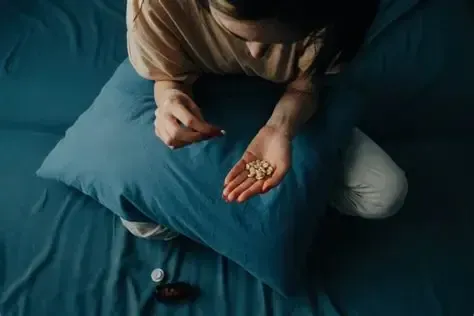
When an antidepressant stops helping, the signs will likely look a lot like the symptoms you had before treatment ever began, because in many ways, they are.
You might notice:
- A return of persistent sadness, hopelessness, or emotional numbness
- Losing interest or pleasure in activities you once enjoyed
- Ongoing fatigue, or changes in sleep and appetite
- Trouble focusing or increased guilt
- Thoughts about death or suicide
Seeing these symptoms again doesn’t mean you’ve failed treatment. It often means your depression has shifted, and your care may need to shift, too.
What to Do If Your Depression Medication Isn’t Working
If your depression medication isn’t working the way it used to, don’t make changes on your own. Stopping antidepressants abruptly can cause withdrawal symptoms and may worsen your mood.
- Reach out to your doctor. Start with an open conversation with your prescribing provider.
- Be specific about what’s changed. Note when symptoms returned, how intense they feel, and what’s different from before. Those details matter.
- Explore next steps with your provider, which may include adjusting the dose, switching to a different medication, or adding another medication.
- Pairing medication with psychotherapy, such as cognitive behavioral therapy or interpersonal therapy, can also help.
- Look beyond prescriptions. Sleep, stress, alcohol or substance use, nutrition, movement, and the strength of your support system all influence how depression shows up and how well treatments work.
And if you’ve already tried several medications without relief, ask about a more in-depth evaluation.
Understanding Treatment-Resistant Depression
of people with depression experience TRD
medications tried before TRD is considered
TRD does not mean untreatable
When depression doesn’t improve after trying at least two adequate antidepressants at the correct dose for six to eight weeks, it’s often called treatment-resistant depression, or TRD for short. And it’s more common than many realize, affecting roughly
30% or more of people living with depression.
Before that label is applied, clinicians work to rule out what’s known as “pseudo-resistance.” That means checking for a missed diagnosis, inconsistent medication use, or treatments that simply weren’t taken at a strong enough dose or for enough time to truly work. Sometimes the problem isn’t resistance at all, but that the right treatment hasn’t had a fair chance yet.
Still, TRD can carry a heavy burden. Research links it to greater day-to-day impairment, higher suicide risk, and more co-occurring medical conditions. We know that can sound scary. But here’s the part that matters most: having treatment-resistant depression does not mean it’s untreatable.
It means your depression may need a different approach that is more targeted and personalized. And often, more advanced than medication alone.
Why Traditional Depression Medications Have Limits
Antidepressants have helped millions of people, but they aren’t always a perfect solution. For many, they don’t go far enough. Even when they work, the benefits are often modest, can take weeks to appear, and may come with side effects that make it hard to stay on treatment.
Part of the challenge is that most antidepressants are built around the same idea: adjusting monoamines like serotonin and norepinephrine. Yet depression is far more complex than a single chemical imbalance. That’s why it isn’t surprising that one-size-fits-all medications sometimes fall short. And it’s why researchers and clinicians continue to look toward more personalized, brain-based approaches.
How TMS Therapy Can Help When Antidepressants Stop Working
When medications haven’t brought the relief you hoped for, transcranial magnetic stimulation, or TMS therapy, offers a new path forward. TMS is a noninvasive therapy that uses targeted magnetic pulses to stimulate the brain circuits involved in mood regulation. And it does so without surgery, sedation, or systemic medication.
How TMS Works in the Brain
TMS is FDA-approved for major depressive disorder in people who haven’t responded to antidepressants, and it’s grounded in decades of research. Most protocols focus on the left dorsolateral prefrontal cortex, which is an area that tends to be underactive in depression. By stimulating this region, TMS helps rebalance communication across mood-related networks and promote healthier brain activity.
Positive Outcomes of TMS Therapy
Studies show that about 50–55% of patients respond to TMS, with roughly 30–35% achieving complete remission, even among those with treatment-resistant depression.
Plus, a groundbreaking Stanford study introduced an accelerated, highly individualized approach known as the SAINT protocol. In people with severe, treatment-resistant depression, nearly 80% achieved remission, often within just a few days, with benefits lasting for months
TMS Therapy Results at a Glance
- 50–55% of patients respond to TMS treatment
- 30–35% achieve full remission
- No surgery, sedation, or systemic medication
- Advanced protocols show even higher remission rates
When Medications Stop Working, Find Depression Relief at TMS New Mexico
Advanced therapies like TMS are opening new doors for people who’ve felt stuck for far too long. You deserve care that keeps trying when the first answers fall short.
If you’re ready to explore what’s next after antidepressants no longer work, the TMS New Mexico team is here to help. Contact us today to schedule a consultation and take the next step toward feeling like yourself again.
Depression medication isn’t working — common questions
Fast answers readers can scan (with FAQ schema included for SEO).
Why would an antidepressant stop working after it helped before?
What are signs my antidepressant may not be working anymore?
Should I stop taking my antidepressant if it isn’t helping?
What counts as treatment-resistant depression (TRD)?
How is TMS different from medication?
What’s the next step if I’ve tried multiple medications?
SHARE ARTICLE
HELPFUL LINKS TO LEARN MORE
Book an appointment at our mental health clinic in Santa Fe, New Mexico. You are not alone!